Blog

Premier Starch Products Pvt. Ltd. ensures quick, reliable support by making product and technical assistance easily accessible to customers.

dextrin for coated abrasives, modified starch for coated abrasives

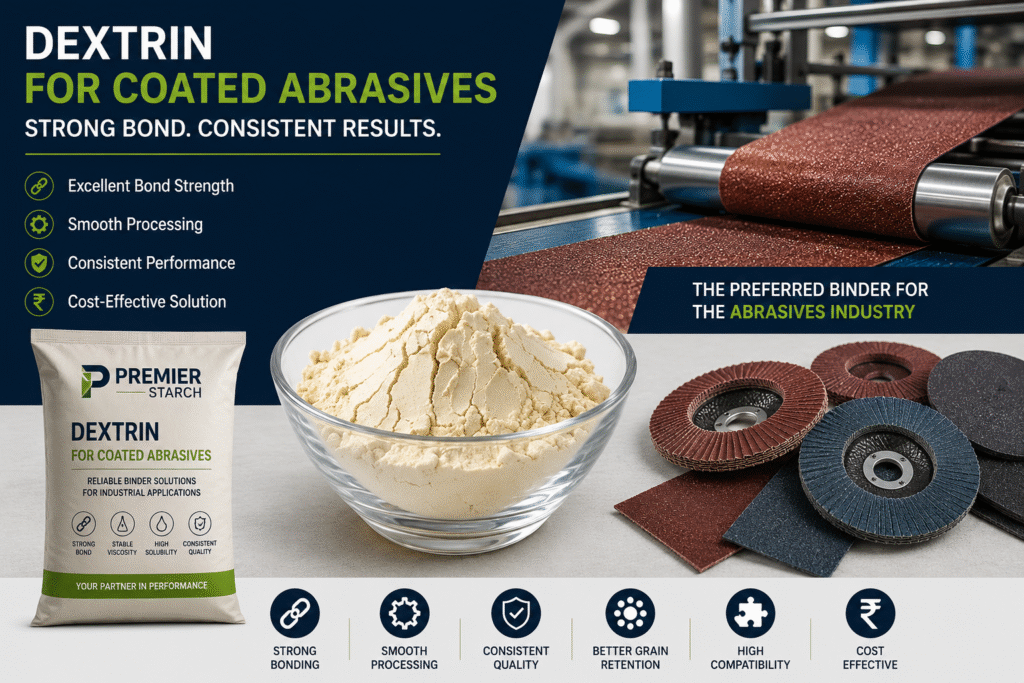
Dextrins vs Modified Starch: Key Differences and Industrial Use Cases

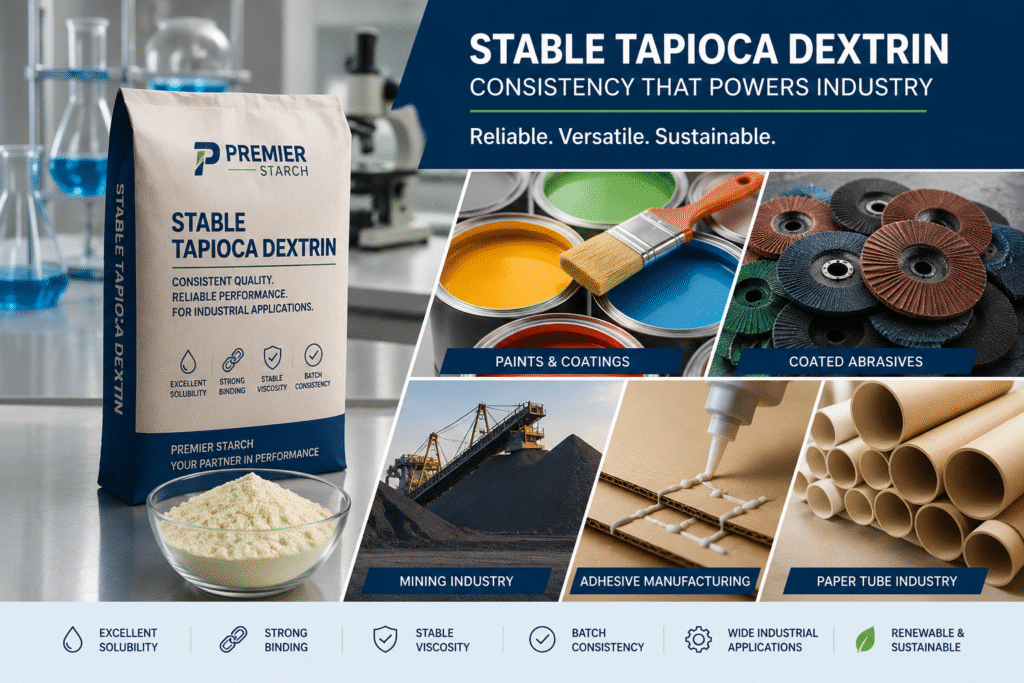
In industrial manufacturing, even a small change in raw material performance can affect production quality, machine efficiency, and consistency. This is especially true in industries such as coated abrasives, paints, mining, corrugation, and paper tube manufacturing, where starch-based materials are widely used as binders, adhesives, and performance enhancers.

Explore

modified starch manufacturers in india

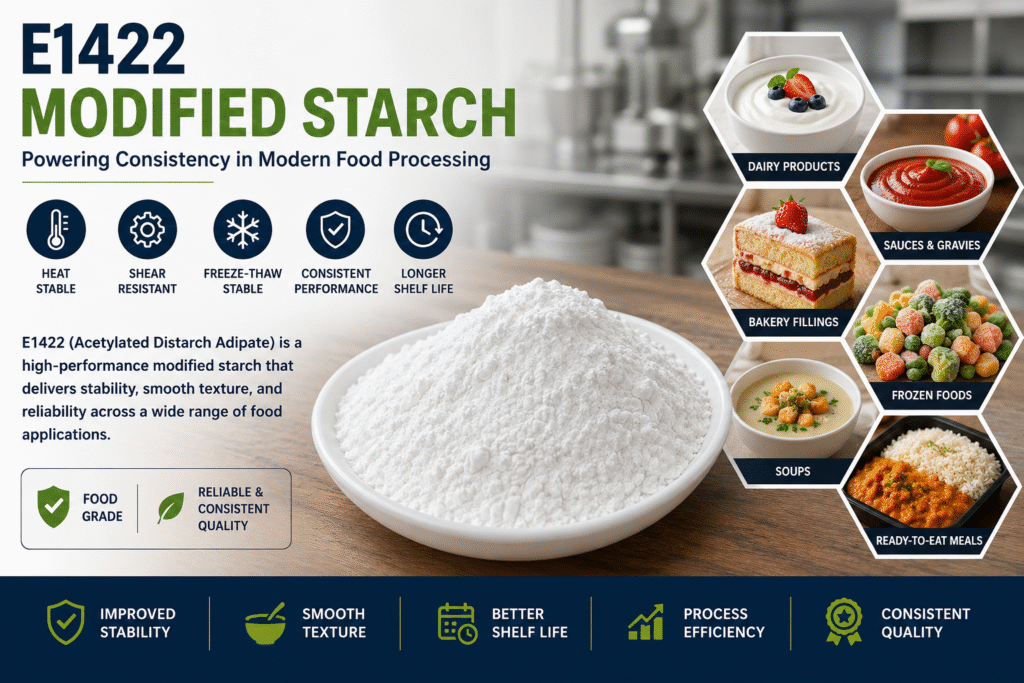
What Are Modified Starches? Types, Uses & Industrial Applications Explained

In today’s manufacturing landscape, industries are constantly looking for materials that improve efficiency, reduce costs, and deliver consistent performance. One such material quietly powering multiple industries is modified starch.

Explore

modified starch adhesives for paper tube core, dextrin for paper tube core

Field Test of Starch Bonded Tubes Under Extreme High-Humidity Warehouse Storage Conditions

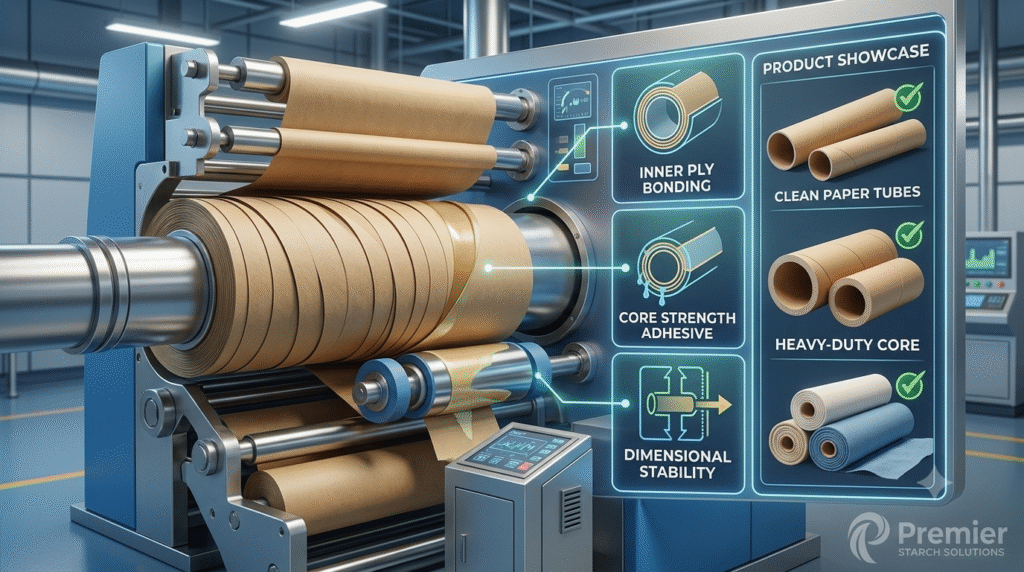
Paper tubes and cores are widely used across packaging, textiles, thermocouple manufacturing, films, tapes, and industrial winding applications. However, one recurring challenge for manufacturers is maintaining tube strength and dimensional stability in high-humidity warehouse environments.

Explore

speciality adhesive modified starch manufacture, stable dextrin

Maximizing Lamination Speed Through Rapid Moisture Evaporation in Modified Dextrine Adhesives

In modern industrial lamination processes, production speed is no longer driven only by machinery. The performance of the adhesive plays an equally critical role. Manufacturers today are under constant pressure to improve output, reduce drying time, and maintain strong bonding performance without compromising product quality.

Explore

modified starch adhesives for paper tube core | Premier Starch

The Impact of Starch Dextrinization Levels on Crush Strength for Heavy Duty Cores

Heavy-duty paper cores are the backbone of industries like packaging, films, textiles, and thermocouple applications. Their performance is defined by one critical factor crush strength. While multiple variables contribute to core strength, one of the most influential yet often overlooked factors is the degree of starch dextrinization used in adhesive formulations.

Explore

dextrin for paper tube core

Calculating the Carbon Footprint Reduction of Bio Based Dextrine in Spiral Winding

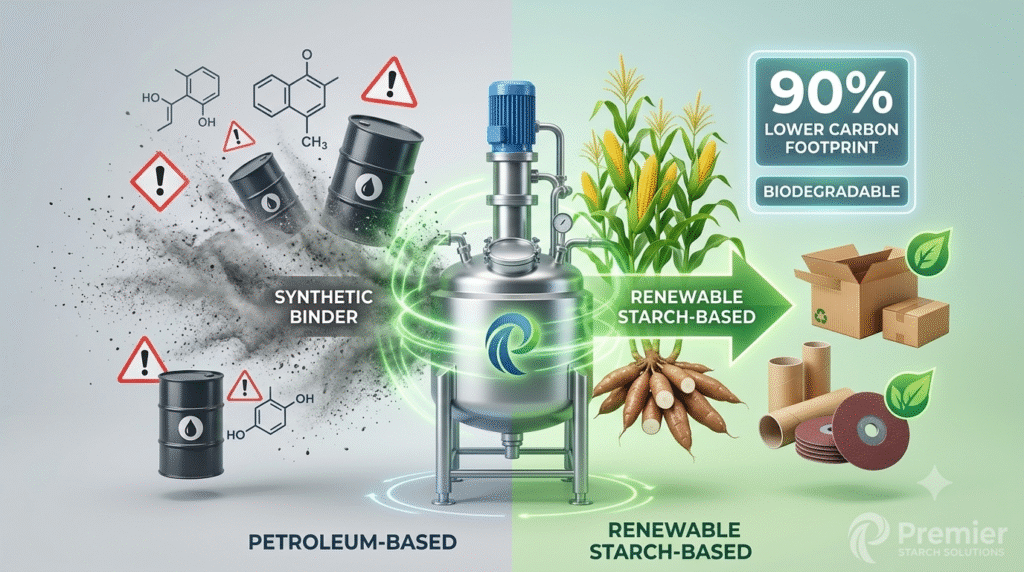
In today’s manufacturing landscape, sustainability is no longer a secondary goal it is a performance metric. Industries like paper tube and core manufacturing, particularly those using spiral winding processes, are actively seeking alternatives that reduce environmental impact without compromising strength or efficiency.

Explore

dextrin for paper tube core

How pH Balanced Dextrine Prevents Oxidation in Metal Tipped Industrial Paper Tubes

In high-performance industrial applications such as thermocouples and precision paper tube cores, even minor chemical instability can lead to major operational issues. One of the most overlooked yet critical factors is oxidation especially in metal-tipped paper tubes, where adhesive chemistry directly interacts with sensitive metallic components.

Explore

high-tack modified dextrine starch solutions

Solving Paper Core Edge Curling Using High Tack Modified Dextrine Starch Formulations

Paper tube and core manufacturing demands precision, consistency, and strong adhesion at every layer. Yet, one persistent issue that continues to affect manufacturers is edge curling a problem that not only impacts product quality but also leads to material wastage and operational inefficiencies.

Explore

modified starch adhesives for paper tube core

Stress Testing Paper Tubes Made with Advanced Dextrin Starch vs Traditional Corn Starch

In industries like packaging, textiles, films, and thermocouple manufacturing, paper tubes and cores are expected to perform under constant stress compression, humidity, high-speed winding, and load-bearing conditions.

Explore

Get a Quote