The shift towards sustainability in industrial manufacturing is no longer optional—it is a strategic necessity. In sectors like paper tube and core manufacturing, companies are actively replacing synthetic adhesives with eco-friendly alternatives. One solution gaining strong momentum is modified starch adhesives for paper tube core, particularly dextrin-based formulations derived from natural sources.
As environmental regulations tighten and performance expectations rise, manufacturers are discovering that starch-based systems not only match but often outperform traditional synthetic binders.
Understanding Paper Core Manufacturing and Adhesive Requirements
Paper tube cores are widely used in industries such as textiles, packaging, films, and thermocouple manufacturing. These applications demand adhesives that offer:
- High bonding strength
- Fast setting and drying
- Consistent viscosity for smooth processing
- Compatibility with high-speed winding machines
- Minimal environmental impact
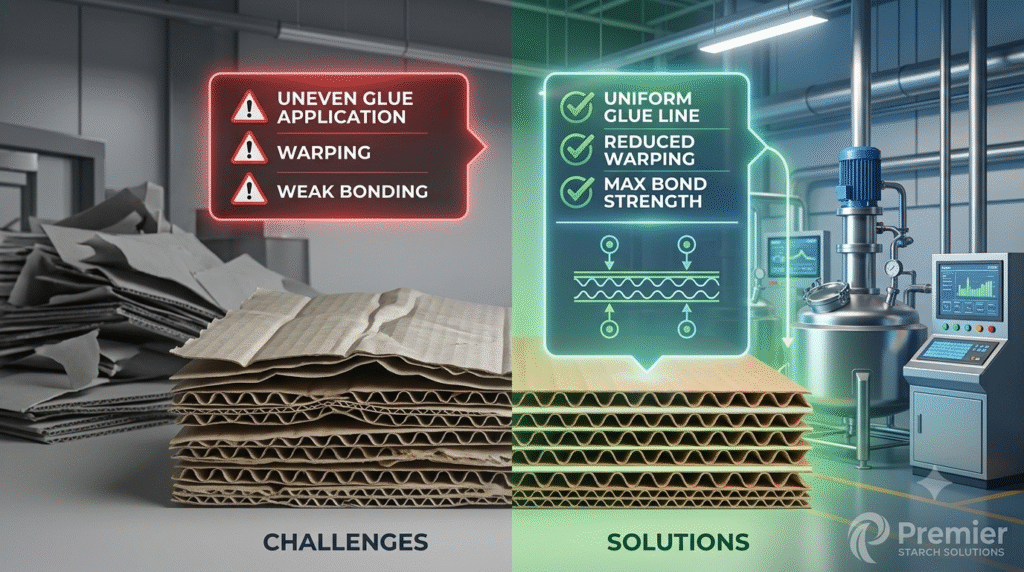
Historically, synthetic adhesives like PVA and resin-based binders dominated this space. However, they come with limitations—higher environmental impact, disposal concerns, and fluctuating raw material costs.
What Is Modified Dextrin Starch?
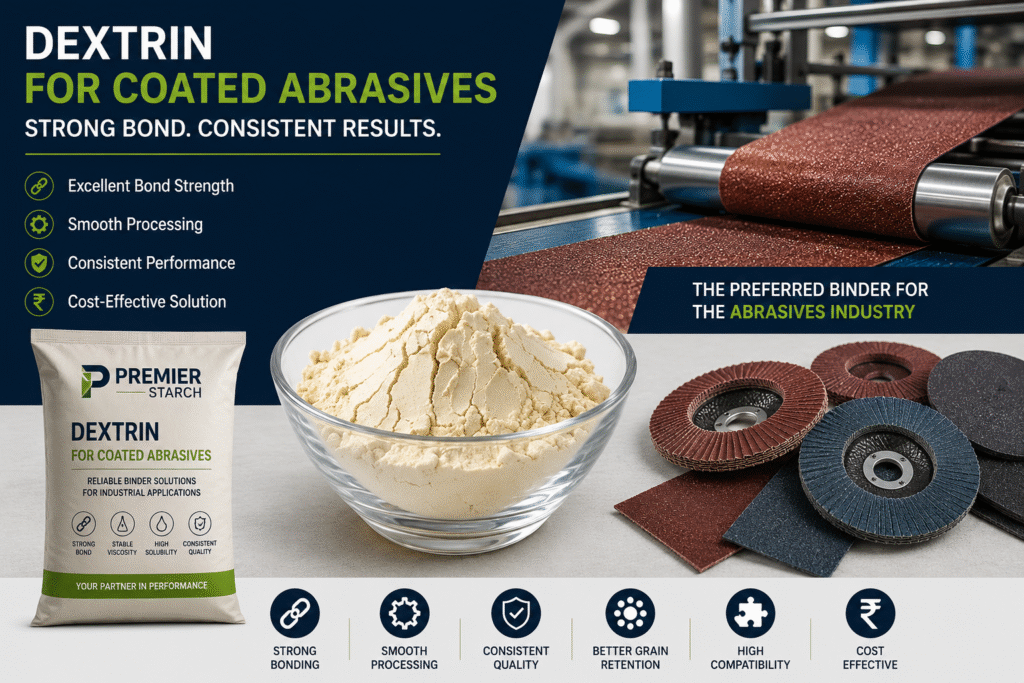
Modified dextrin starch is a processed form of natural starch (often tapioca or maize) engineered to deliver enhanced adhesive properties such as improved solubility, bonding strength, and thermal stability.
Products like stable tapioca dextrin are specifically designed for industrial applications where consistency and performance are critical. These starch derivatives are biodegradable, non-toxic, and derived from renewable plant sources, making them ideal for sustainable manufacturing.
Why Modified Dextrin Starch Is Replacing Synthetic Adhesives
1. Sustainability and Environmental Compliance
One of the biggest advantages of starch-based adhesives is their eco-friendly nature.
- Derived from renewable raw materials
- Biodegradable and non-toxic
- Lower carbon footprint compared to synthetic resins
This makes them highly suitable for industries aiming to meet ESG goals and regulatory compliance.
2. Strong and Reliable Bonding Performance
Modern dextrin for paper tube core applications offer excellent adhesion strength, ensuring durability even under mechanical stress.
- Superior fibre bonding
- High dry strength
- Consistent performance across batches
These properties are essential for maintaining structural integrity in paper cores.
3. Cost Efficiency and Supply Stability
Compared to petroleum-based adhesives, starch-based solutions offer:
- More stable pricing
- Reduced dependency on petrochemicals
- Reliable local sourcing options
Working with a trusted modified starch manufacturer ensures consistent supply and cost optimisation over time.
4. Compatibility with Industrial Processes
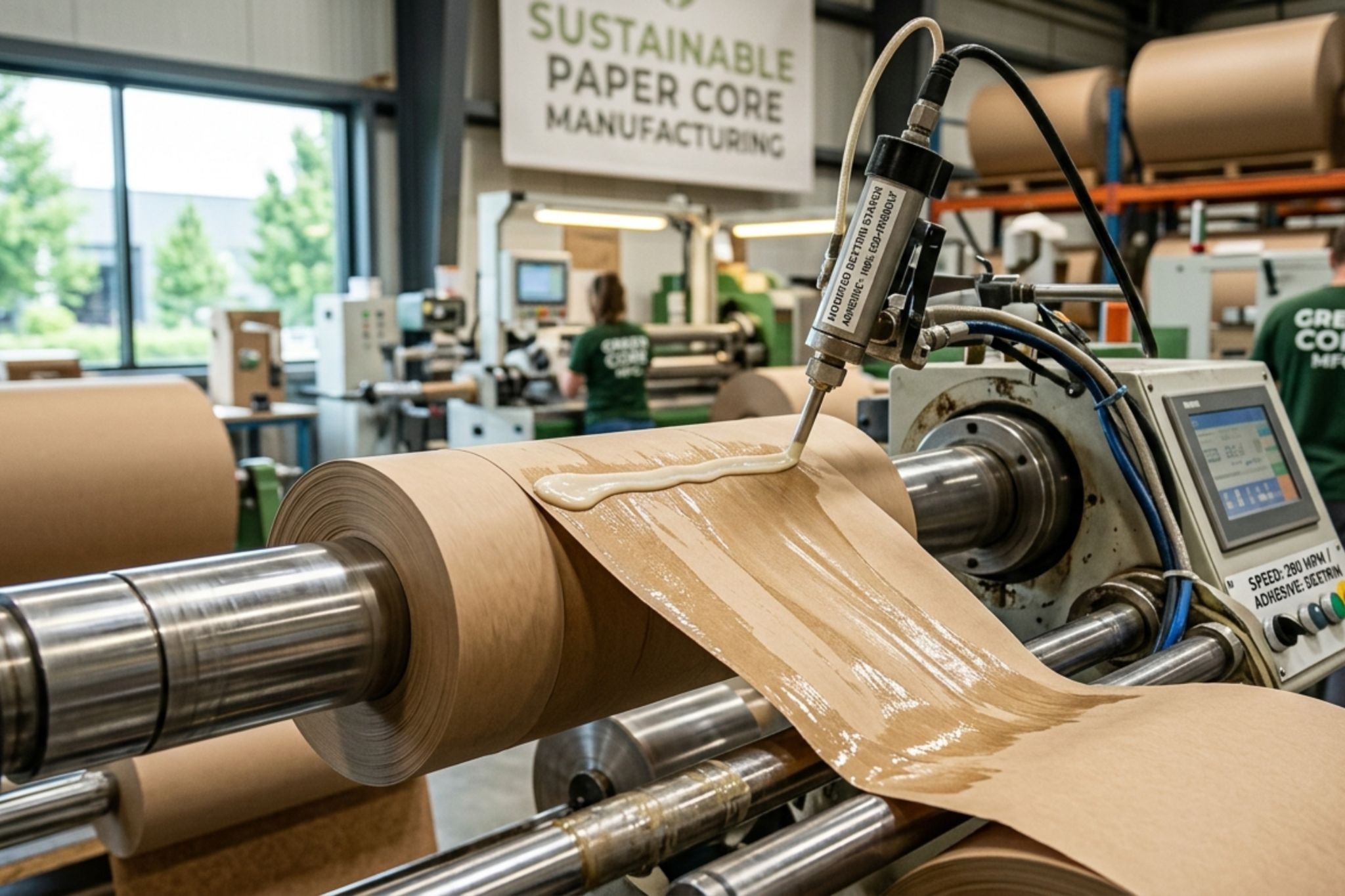
Modified starch adhesives are engineered to work seamlessly with existing manufacturing setups.
- Suitable for high-speed winding machines
- Easy to prepare and apply
- Available in powder form for convenient storage
For example, starch based adhesives powder for paper tube core simplifies handling and ensures uniform application across production lines.
5. Customisation for Specific Applications
Every manufacturing setup has unique requirements. Advanced starch solutions can be tailored based on:
- Machine speed
- Environmental conditions
- Substrate type
This flexibility is why many industries are shifting to customised starch formulations rather than one-size-fits-all synthetic adhesives.
Performance Advantages Over Synthetic Adhesives
When compared directly, modified dextrin starch offers several advantages:
- Better biodegradability
- Reduced toxic emissions
- Improved worker safety
- Comparable or superior bonding strength
- Easier disposal and recycling compatibility
These factors collectively make starch-based adhesives a future-ready solution.
Supporting Circular Economy in Manufacturing
The use of starch-based adhesives aligns with circular economy principles by:
- Reducing reliance on non-renewable resources
- Enabling easier recycling of paper products
- Minimising industrial waste
For paper core manufacturers, this transition is not just about compliance it’s about long-term sustainability and operational efficiency.
Why the Industry Is Rapidly Adopting Starch-Based Adhesives
The growing demand for eco-friendly packaging and industrial materials has accelerated the adoption of starch adhesives.
Manufacturers are now prioritising:
- Sustainable raw materials
- High-performance alternatives
- Cost-effective production processes
This shift is driving innovation in industrial starch products, making them more advanced and application-specific than ever before.
Conclusion
The transition from synthetic adhesives to modified dextrin starch is a clear reflection of where the industry is headed. With benefits ranging from sustainability and cost efficiency to performance and adaptability, starch-based adhesives are redefining paper core manufacturing.
As industries continue to evolve, adopting solutions like modified starch for paper tube core is no longer just an option it is a competitive advantage.
Premier Starch Products Pvt. Ltd. stands at the forefront of innovation in starch-based industrial solutions. Known for its precision-driven formulations and consistent quality, the company supports manufacturers with tailored adhesive systems designed for real-world performance. Backed by in-house R&D and rigorous quality control, Premier Starch continues to enable industries to transition towards more efficient and sustainable production practices.