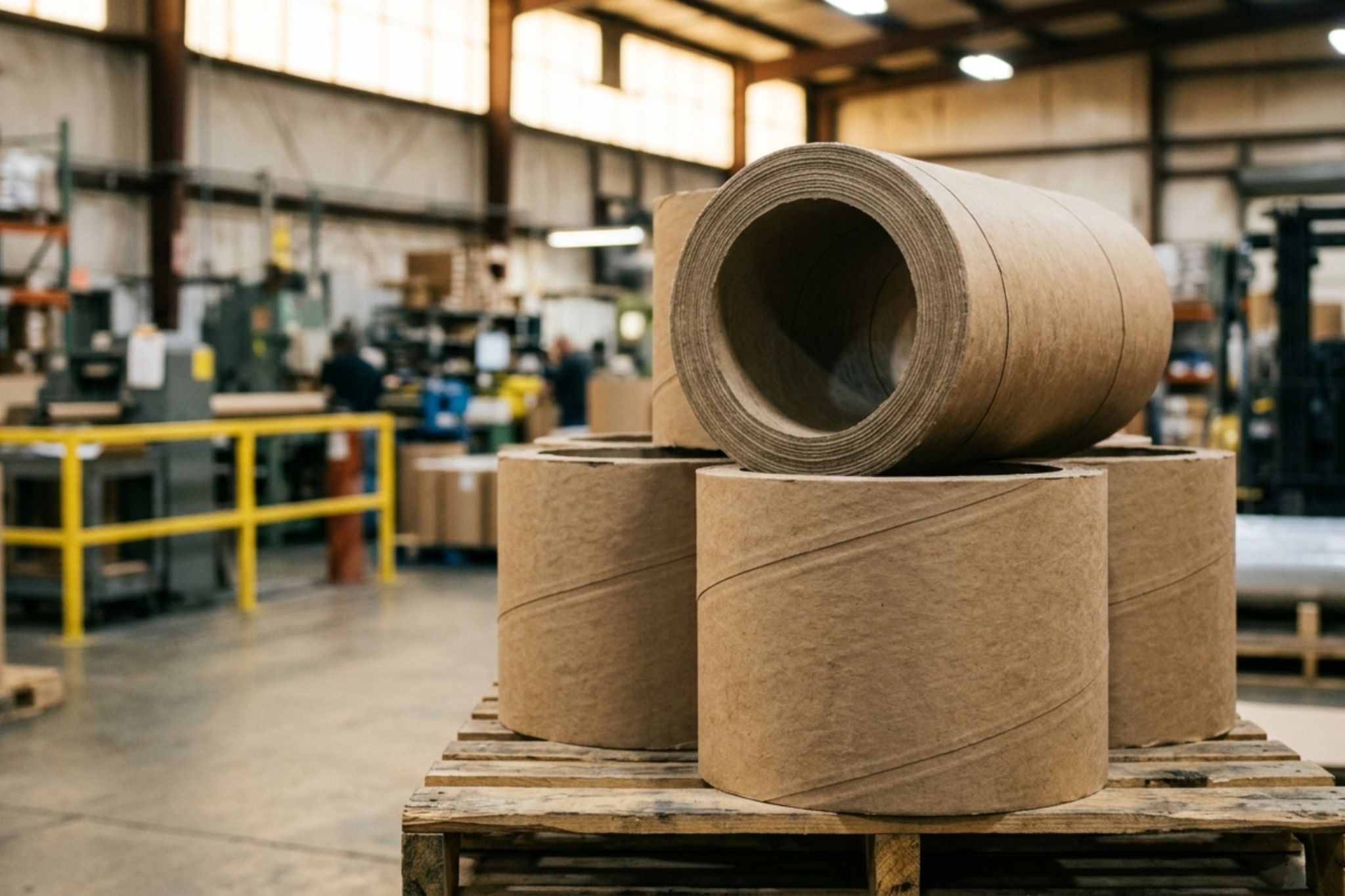
Heavy-duty paper cores are the backbone of industries like packaging, films, textiles, and thermocouple applications. Their performance is defined by one critical factor crush strength. While multiple variables contribute to core strength, one of the most influential yet often overlooked factors is the degree of starch dextrinization used in adhesive formulations.
Understanding how dextrinization impacts bonding strength can help manufacturers optimise performance, reduce failures, and improve production efficiency.
What Is Starch Dextrinization?
Dextrinization is the process of converting native starch into dextrin through controlled heating and chemical treatment. This transformation alters the molecular structure, resulting in improved solubility, adhesion, and film forming properties.
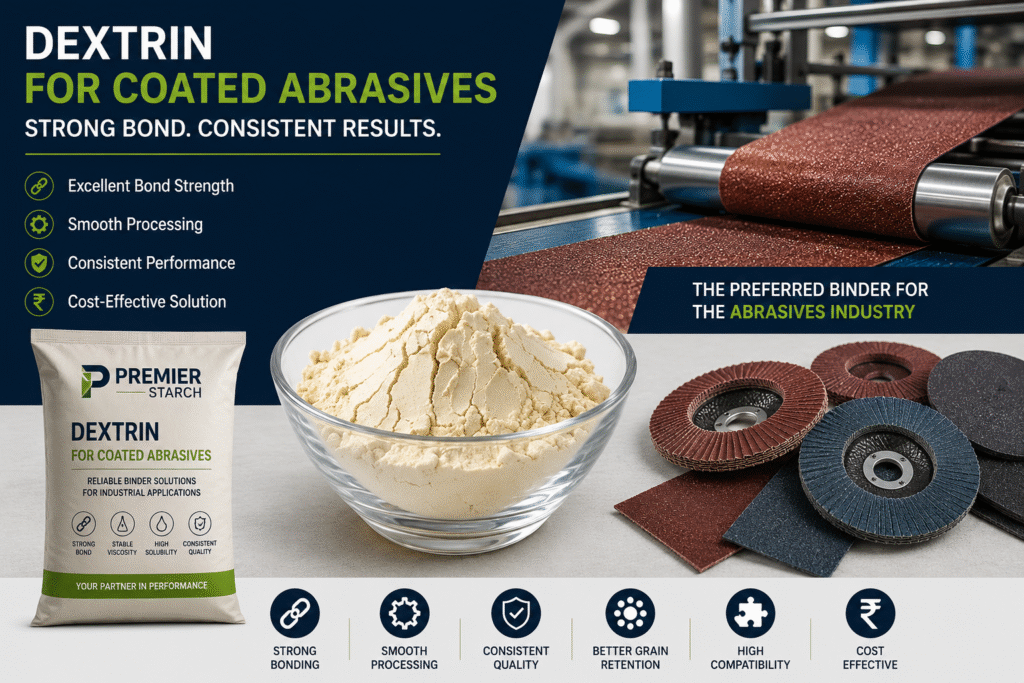
For industries relying on dextrin for paper tube core, the level of dextrinization directly determines how well the adhesive performs under stress conditions.
Why Crush Strength Matters in Heavy-Duty Cores
Crush strength refers to the ability of a paper core to withstand radial pressure without collapsing. In high-load applications, insufficient strength can lead to:
- Core deformation during winding or transport
- Product damage and rejection
- Increased downtime and operational losses
This makes the choice of adhesive formulation, especially modified starch adhesives for paper tube core, extremely critical.
How Dextrinization Levels Influence Adhesive Performance
1. Bonding Strength and Fibre Penetration
Higher dextrinization improves adhesive penetration into paper fibres, creating stronger inter layer bonding. However, excessive dextrinization may reduce viscosity too much, leading to weak bonding.
Balanced formulations ensure:
- Optimal fibre wetting
- Strong interlocking of layers
- Uniform adhesive distribution
2. Viscosity Control
Dextrinization directly affects viscosity, which is crucial for application consistency.
- Low dextrinization → Higher viscosity → Poor spreadability
- High dextrinization → Lower viscosity → Risk of over-penetration
Premier Starch addresses this with controlled formulations like Stardex® 2155-Tube (for paper tube core), engineered for stable viscosity and consistent performance.
3. Drying Speed and Setting Time
In high-speed manufacturing, adhesive drying time impacts productivity.
- Higher dextrinization → Faster drying
- Lower dextrinization → Slower setting but stronger initial hold
A balanced approach ensures:
- Faster production cycles
- Reduced energy consumption
- Strong final bonding
4. Resistance to Compression and Load
The right dextrinization level enhances the adhesive’s ability to resist compressive forces.
This is especially critical for:
- Heavy-duty industrial cores
- Thermocouple paper tubes
- High-tension winding applications
Products like Stardex® 2155-H (for paper tube core in Thermocouple) are designed to deliver high crush resistance under demanding conditions.
Achieving the Right Balance in Dextrinization
There is no one size fits all approach. The ideal dextrinization level depends on:
- Paper quality and GSM
- Core diameter and thickness
- Machine speed
- End-use application
This is why customised formulations play a crucial role in ensuring consistent crush strength.
Common Challenges and How to Overcome Them
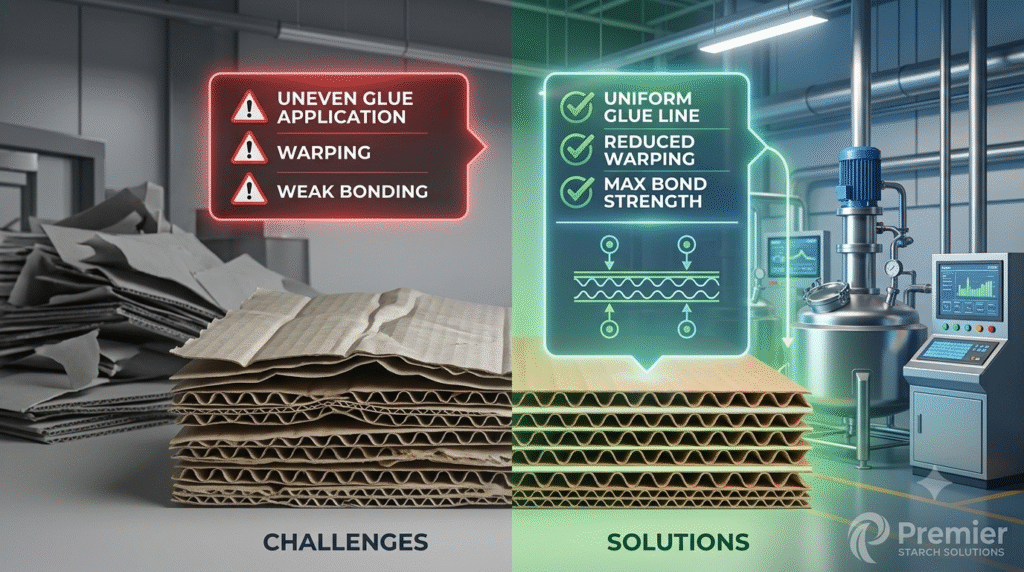
Manufacturers often face issues such as:
- Inconsistent bonding across layers
- Core collapse under load
- Variations in adhesive performance
These can be addressed by:
- Using application-specific dextrin grades
- Monitoring viscosity and pH regularly
- Partnering with suppliers offering technical support and trials
Conclusion
The degree of starch dextrinization is a key driver of crush strength in heavy-duty paper cores. A well-optimised adhesive formulation ensures not just structural integrity but also operational efficiency and product reliability.
By selecting the right dextrin for paper tube core and leveraging advanced modified starch adhesives for paper tube core, manufacturers can significantly enhance performance across demanding applications.
Premier Starch Products Pvt. Ltd. has built a reputation for delivering precision engineered starch derivatives tailored to industrial needs. Their specialised dextrin solutions for paper tube cores are developed through rigorous R&D and real-world plant trials, ensuring dependable strength, consistency, and process compatibility. Whether it’s high load cores or specialised applications, their team works closely with manufacturers to fine-tune adhesive performance for optimal results.