Paper tube and core manufacturing demands precision, consistency, and strong adhesion at every layer. Yet, one persistent issue that continues to affect manufacturers is edge curling a problem that not only impacts product quality but also leads to material wastage and operational inefficiencies.
Understanding the root cause and solving it with the right adhesive formulation especially high-tack modified dextrine starch systems can significantly improve production outcomes.
What Causes Edge Curling in Paper Tube Cores?
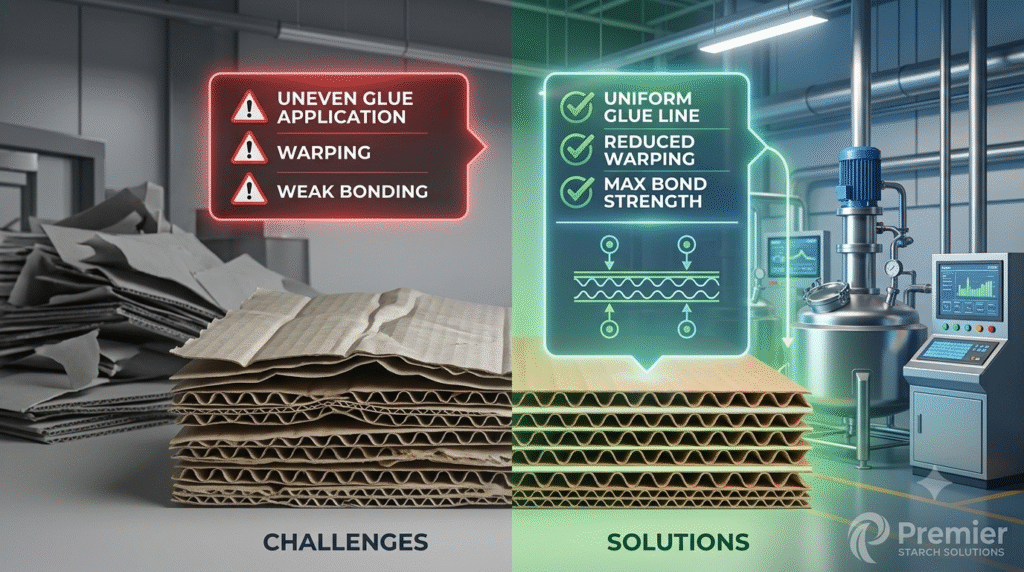
Edge curling typically occurs when there is an imbalance in moisture distribution, adhesive performance, or drying conditions. It becomes more visible in high-speed operations or when suboptimal adhesives are used.
Common causes include:
- Uneven adhesive penetration into paper layers
- Low initial tack leading to weak bonding
- Excess or insufficient moisture content
- Inconsistent viscosity of adhesive
- Poor drying or curing conditions
This is where selecting the right dextrin for paper tube core applications becomes critical.
Why Adhesive Selection Matters More Than You Think
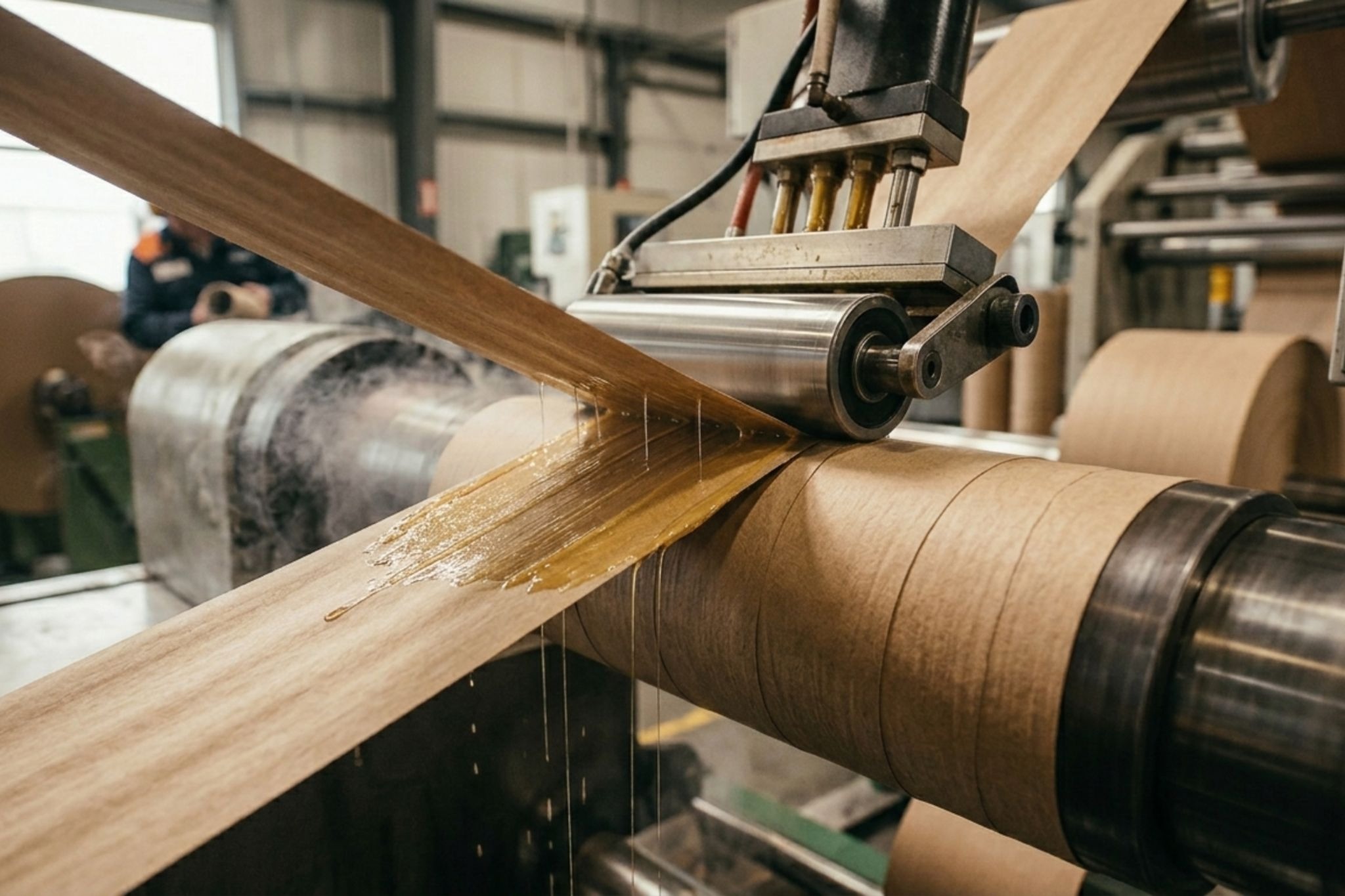
The adhesive is the backbone of paper core integrity. If it fails to provide immediate grip and uniform bonding, the layers tend to shift or curl during winding or drying.
Traditional adhesives often fall short because they:
- Lack sufficient tack during high-speed winding
- Do not maintain viscosity stability
- Fail under varying environmental conditions
Modern modified starch adhesives for paper tube core applications are engineered to address these exact challenges.
Role of High-Tack Modified Dextrine Starch Formulations
High-tack dextrine-based formulations are specifically designed to deliver:
- Strong initial grab (tack)
- Controlled penetration into paper substrates
- Stable viscosity during processing
- Faster setting times
This ensures that each layer of the paper core adheres firmly without shifting, reducing the chances of edge deformation.
Key Benefits in Paper Core Manufacturing
- Improved Edge Stability: Prevents curling during winding and drying
- Stronger Bonding: Enhances inter-layer adhesion
- Consistent Performance: Maintains quality across batches
- Optimised Machine Efficiency: Supports high-speed production lines
How Formulation Impacts Performance
Not all dextrins behave the same. The performance depends on how the starch is modified and processed.
A well-engineered formulation considers:
- Molecular structure for better tack
- Controlled solubility for uniform spreading
- Balanced moisture retention
- Compatibility with different paper grades
For instance, products like Stardex® 2155-Tube are specifically developed as high-performance dextrin for paper tube core, ensuring reliable bonding in demanding industrial environments.
Practical Tips to Reduce Edge Curling
Beyond adhesive selection, manufacturers can further optimise results by:
- Maintaining consistent adhesive viscosity
- Monitoring moisture levels in both paper and adhesive
- Ensuring even adhesive application across layers
- Optimising drying temperatures and airflow
- Conducting regular QC checks for batch consistency
Combining these practices with the right modified starch adhesives for paper tube core can dramatically reduce defects.
Why Starch-Based Solutions Are the Future
Industries are increasingly moving towards plant-based, biodegradable adhesives not just for sustainability, but also for performance.
Starch-based dextrins offer:
- Eco-friendly composition
- Non-toxic processing
- Reliable industrial performance
- Cost-effective scalability
This makes them a superior alternative to many synthetic binders.
Conclusion
Edge curling in paper tube cores is not just a mechanical issue it’s a formulation challenge. By adopting high-tack modified dextrine starch solutions, manufacturers can achieve better bonding, improved product quality, and smoother production cycles.
Choosing the right dextrin for paper tube core applications ensures long-term efficiency and consistency, especially in high-speed industrial environments.
Premier Starch has built a reputation for delivering precision-engineered starch-based adhesive solutions tailored for industrial applications. Backed by in-house R&D, stringent quality control, and deep industry understanding, the company supports manufacturers in overcoming real-world production challenges with confidence. Whether it’s optimising adhesion or enhancing process stability, Premier Starch works closely with clients to deliver formulations that perform where it matters most.