In high-speed manufacturing environments like paper tube and core production, even minor inconsistencies in adhesive performance can lead to significant downtime, material wastage, and reduced output efficiency. One of the most critical yet often overlooked factors is dextrine viscosity. Optimising viscosity is essential for achieving smooth spiral winding, uniform layer bonding, and uninterrupted production cycles. This is where choosing the right modified starch for paper tube core becomes a game-changer for manufacturers aiming for consistency and performance.
Why Viscosity Matters in Spiral Tube Winding
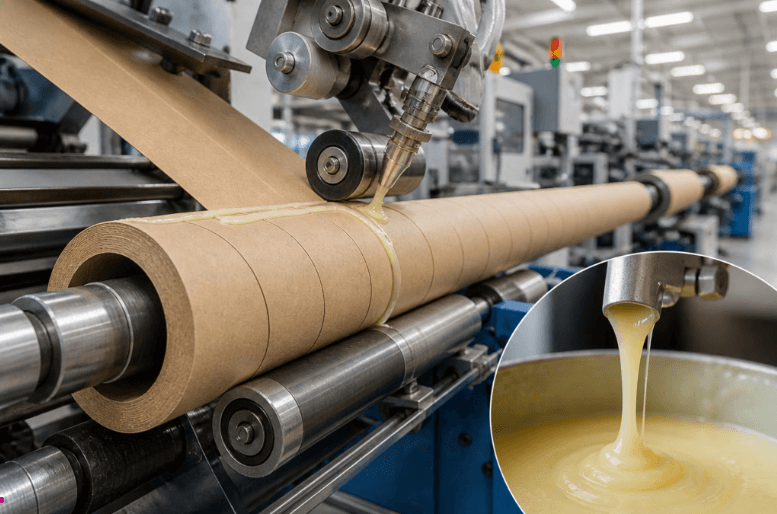
Spiral tube winding involves continuous layering of paper with adhesive application at high speeds. The viscosity of dextrin-based adhesives directly influences how well the adhesive spreads, penetrates, and bonds between layers.
If viscosity is not properly controlled, manufacturers may face:
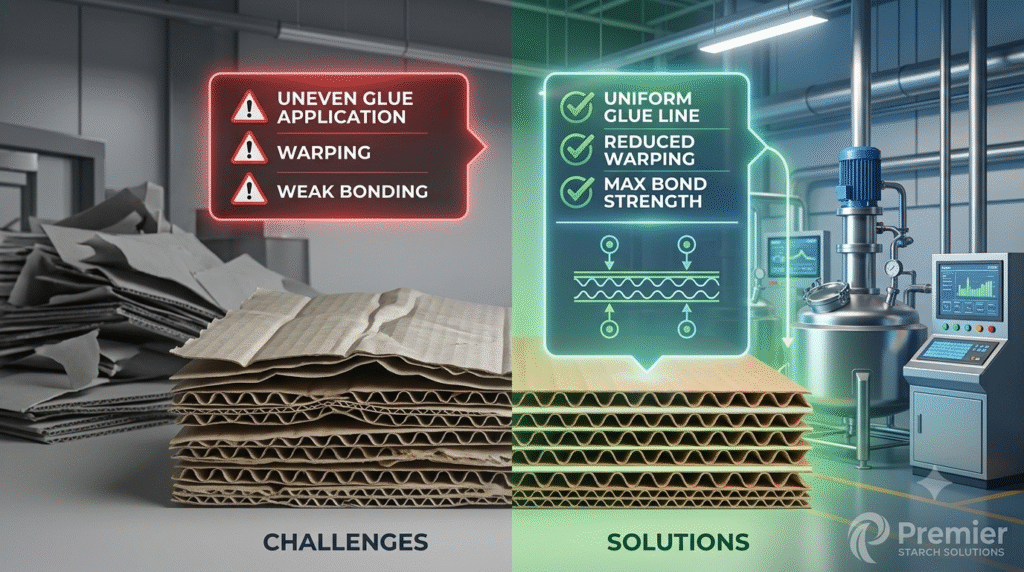
- Uneven adhesive distribution across layers
- Poor bonding strength leading to delamination
- Machine stoppages due to clogging or improper flow
- Increased drying time affecting production speed
- Excess adhesive consumption and higher operational costs
Optimised viscosity ensures smooth application, better fibre penetration, and faster setting times, all of which are critical for maintaining consistent spiral tube quality.
Common Downtime Issues Caused by Improper Dextrine Viscosity
Production downtime is often linked to adhesive inconsistency rather than machinery faults. Using the wrong modified starch for paper tube core can result in recurring operational challenges.
Key issues include:
- Frequent machine cleaning due to adhesive build-up
- Irregular winding caused by inconsistent adhesive flow
- Weak bonding leading to product rejection
- Variability in tube strength and durability
- Increased dependency on manual adjustments during production
By addressing viscosity at the formulation level, manufacturers can significantly reduce these disruptions.
How Optimised Dextrine Improves Production Efficiency
Using engineered dextrins and starch-based binders tailored for paper tube applications helps maintain process stability.
Benefits of optimised viscosity:
- Consistent adhesive flow for uninterrupted machine operation
- Uniform layer bonding for stronger tube cores
- Reduced drying time for faster production cycles
- Lower machine wear and maintenance requirements
- Improved overall production throughput
A well-balanced viscosity profile ensures that adhesives perform reliably across varying temperatures, machine speeds, and environmental conditions.
Choosing the Right Modified Starch for Paper Tube Core
Selecting the right adhesive formulation is crucial for achieving optimal viscosity and performance. Not all dextrins behave the same, and choosing a specialised product designed for paper tube winding applications makes a measurable difference.
Key factors to consider:
- Controlled viscosity for stable application
- High bonding strength for multi-layer winding
- Consistent batch quality for predictable results
- Compatibility with high-speed spiral winding machines
- Moisture and pH stability for process reliability
Products such as Stardex® 2155-Tube (for paper tube core applications) are specifically developed to deliver consistent viscosity and strong bonding performance required in demanding production environments.
Role of R&D and Quality Control in Viscosity Optimisation
Achieving consistent viscosity is not just about formulation—it requires rigorous testing and quality control. Advanced manufacturing setups ensure every batch meets precise performance parameters.
Critical quality checks include:
- Viscosity testing using Brookfield Viscometer
- pH level monitoring for adhesive stability
- Moisture control for uniform performance
- Solubility testing for smooth application
- Batch-wise consistency validation
These measures ensure that the modified starch for paper tube core performs reliably across every production cycle, minimising unexpected downtime.
Sustainable Advantage of Starch-Based Adhesives
In addition to performance, starch-based dextrins offer environmental benefits. As industries move towards sustainable manufacturing, plant-based adhesives are becoming the preferred alternative to synthetic binders.
Key sustainability benefits:
- Biodegradable and eco-friendly composition
- Reduced chemical footprint in manufacturing
- Safer handling and storage
- Compliance with environmental regulations
This makes dextrin-based solutions not only efficient but also aligned with long-term sustainability goals.
Final Thoughts
Reducing production downtime in spiral tube winding is not just about improving machinery—it starts with optimising the adhesive system. By selecting the right modified starch for paper tube core and ensuring precise viscosity control, manufacturers can achieve consistent winding, stronger bonding, and higher operational efficiency.
For manufacturers seeking dependable performance in paper tube applications, Premier Starch Products Pvt. Ltd. offers purpose-built dextrin and modified starch solutions designed around real production challenges. With decades of industry experience, advanced testing capabilities, and a focus on process-specific formulations, the company works closely with clients to fine-tune adhesive behaviour for smoother operations, better bonding, and reduced interruptions on the shop floor.