In industrial manufacturing, even a small change in raw material performance can affect production quality, machine efficiency, and consistency. This is especially true in industries such as coated abrasives, paints, mining, corrugation, and paper tube manufacturing, where starch-based materials are widely used as binders, adhesives, and performance enhancers.
Among the most commonly used starch derivatives are dextrins and modified starches. Although both originate from natural starch sources like tapioca and maize, they are processed differently and serve different industrial purposes.
For manufacturers, understanding how these materials behave is important not only for improving product quality but also for achieving smoother operations and reducing production issues.
What Is Dextrin?
Dextrin is produced by heating starch under controlled conditions, which changes its structure and improves its adhesive and film-forming properties. Depending on the manufacturing process, dextrins may appear as white dextrin, yellow dextrin, or stable tapioca dextrin.
One of the reasons dextrins are widely used across industries is their fast solubility and reliable dry bonding performance. They also provide good coating uniformity and help improve process stability in several industrial applications.
Today, dextrins are commonly used in:
-
- Coated abrasives
-
- Paints and coatings
-
- Mining applications
-
- Foundry chemicals
-
- Paper tubes and cores
Industries that require smooth processing and controlled adhesion often prefer stable dextrin grades because they perform consistently across production batches.
What Is Modified Starch?
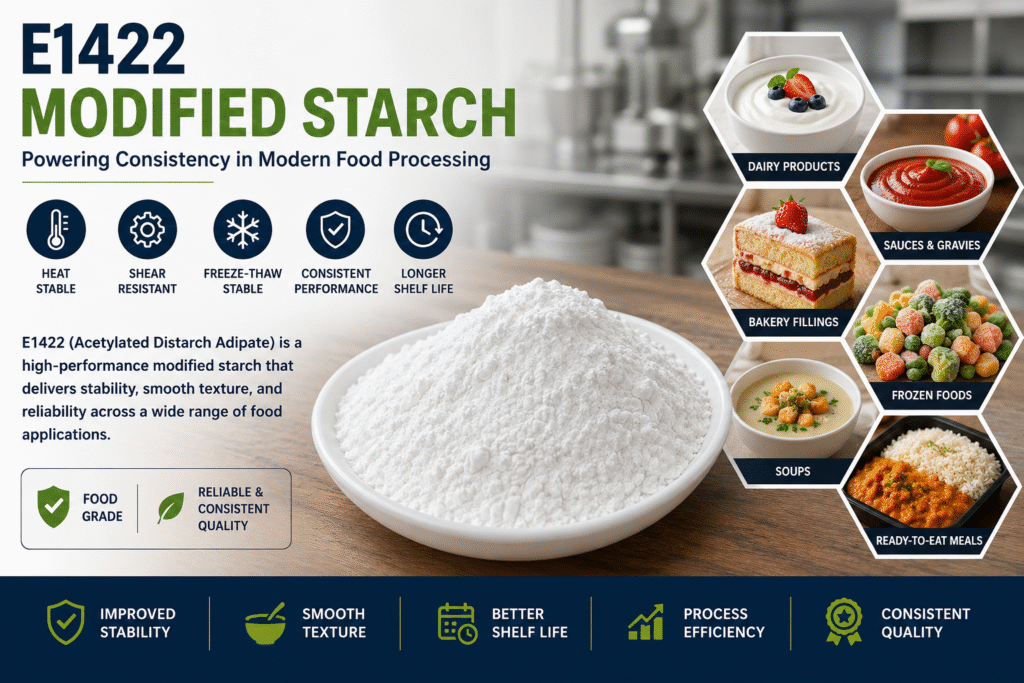
Modified starch is natural starch that has been physically or chemically processed to improve its industrial functionality. Unlike dextrin, modified starch retains more of its original starch structure while offering enhanced viscosity control, stronger wet tack, and improved process stability.
Modified starches are widely used in industrial adhesive systems where manufacturers require better bonding performance during continuous machine operations.
Applications commonly include corrugation adhesives, packaging solutions, paper tube manufacturing, and speciality industrial binders.
Products such as Stargel® CMS are designed to provide dependable thickening and binding performance across demanding industrial environments.
Dextrin vs Modified Starch: Understanding the Difference
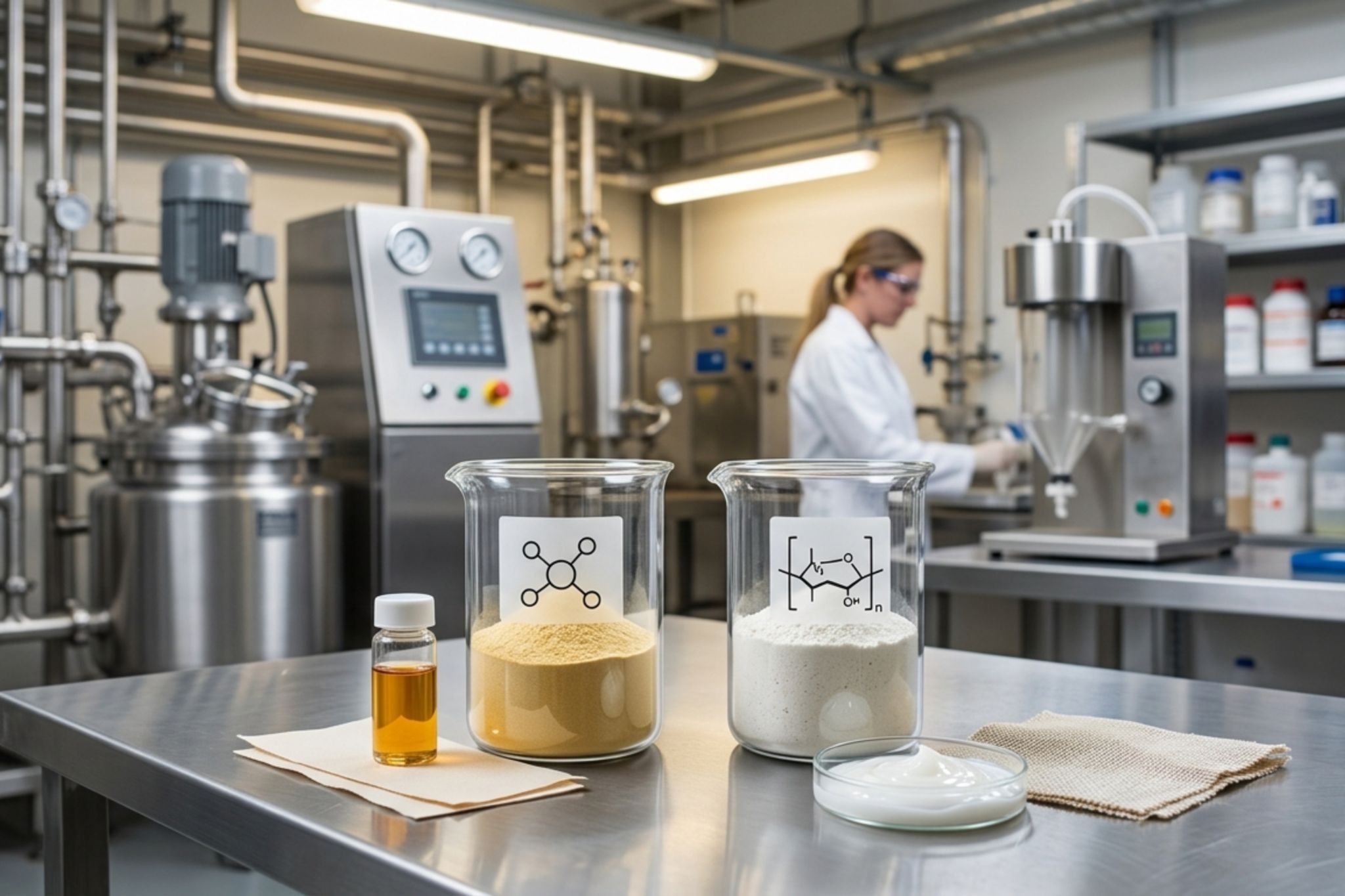
Although both are starch derivatives, their performance characteristics are quite different.
| Feature | Dextrin | Modified Starch |
| Processing Method | Heat-treated starch | Chemically or physically altered starch |
| Solubility | Fast dissolving | Controlled swelling |
| Bonding Type | Strong dry adhesion | Strong wet tack |
| Viscosity | Lower viscosity | Controlled viscosity |
| Main Applications | Abrasives, paints, mining | Corrugation, packaging, adhesives |
In simple terms, dextrin is generally preferred where quick bonding and smooth coating performance are important, while modified starch performs better in applications that demand stronger tack and machine stability.
Why Dextrins Are Preferred in Coated Abrasives?
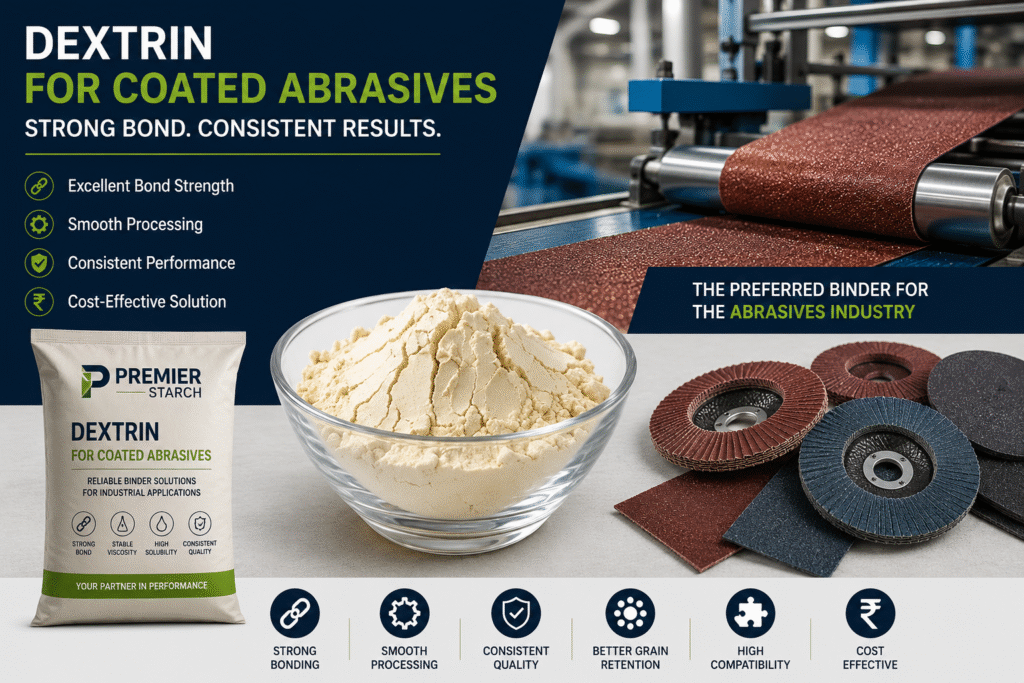
The coated abrasives industry requires binders that can securely hold abrasive grains while maintaining coating flexibility and uniformity. This is where dextrin for coated abrasives becomes highly effective.
Dextrins help improve coating consistency and grain retention without creating excessive viscosity during processing. Stable tapioca dextrins are especially valued because they support smoother production and dependable adhesion strength.
At Premier Starch, products like Stardex® 2155-GNL are developed specifically for coated abrasive applications where manufacturers need stable performance and reliable batch consistency.
For abrasive manufacturers, consistency is critical because even minor formulation variations can impact coating quality and final product durability.
Where Modified Starch Performs Better?
While dextrins are highly effective in abrasive formulations, modified starch for coated abrasives and industrial adhesive systems is often chosen when manufacturers require stronger tack strength and improved process control.
Modified starches are widely used in:
-
- Corrugated box manufacturing
-
- Paper tube core production
-
- Adhesive powders
-
- High-speed packaging applications
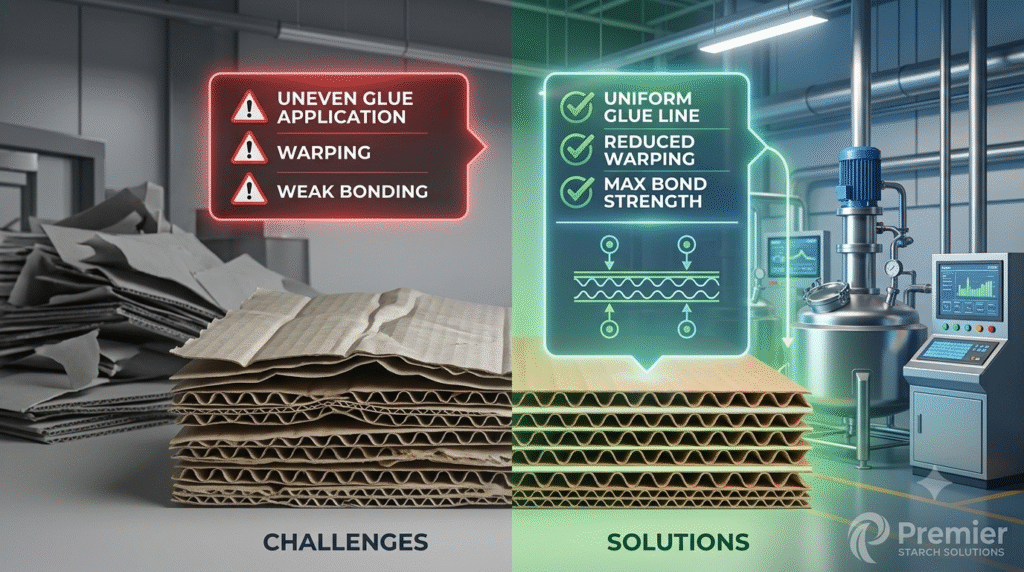
In corrugation plants, starch-based adhesive powders help improve board strength, pin adhesion, and machine efficiency. Products such as Stargel® TS Corrugation Gum Powder, Stargel® 1120, and Stardex® 840 are commonly used to support stable production performance across manual and semi-automatic plants.
Industrial Applications of Dextrins
Dextrins continue to play an important role across multiple industries because of their versatility and reliable bonding behaviour.
In paint manufacturing, materials such as tapioca dextrin help improve flow properties, surface finish, and adhesion in emulsion paint systems. Mining industries use specialised tapioca dextrin mining grades in flotation processes where controlled performance is essential.
Similarly, maize yellow dextrins are widely used in foundry chemical manufacturing because they provide dependable binding properties during mould production.
Industrial Applications of Modified Starch
Modified starches are preferred in applications where manufacturers need controlled viscosity, stronger wet tack, and consistent machine performance.
In corrugation industries, products such as cold pasting gum powder and hot pasting gum powder are widely used to improve board strength and production efficiency. Paper tube manufacturers also rely on modified starch adhesives to achieve stronger structural bonding and better durability.
Products like Stardex® 2155-Tube are specifically formulated for these demanding industrial applications.
How Manufacturers Choose the Right Solution?
The choice between dextrin and modified starch depends entirely on the manufacturing process and performance requirement.
Dextrins are usually selected when applications require fast solubility, dry adhesion, and smooth coating performance. Modified starches are preferred when stronger tack, controlled viscosity, and machine stability are more important.
In many industrial formulations, manufacturers use a combination of both materials to achieve balanced performance and production efficiency.
Why Consistency Matters in Industrial Starch Applications
Industrial production depends heavily on consistency. Even slight changes in viscosity, moisture levels, or solubility can lead to bonding issues, machine downtime, or inconsistent product quality.
This is why manufacturers increasingly look for suppliers that offer:
-
- Batch-wise quality testing
-
- Technical support
-
- Application-specific formulations
-
- Reliable supply consistency
With more than 35 years of expertise, Premier Starch Products Pvt. Ltd. manufactures speciality dextrins, modified starches, and industrial adhesive solutions tailored for industries including abrasives, paints, mining, corrugation, and paper tube manufacturing. Their focus on in-house R&D and customised industrial formulations helps businesses maintain stable and efficient production processes.
Conclusion
Both dextrins and modified starches play a valuable role in industrial manufacturing, but each serves a different purpose depending on the application.
While dextrins are known for fast solubility and strong dry adhesion, modified starches provide better process stability, viscosity control, and bonding performance in high-speed operations.
For industries focused on consistency, efficiency, and product quality, selecting the right starch-based solution can make a significant difference in long-term manufacturing performance.