In modern industrial lamination processes, production speed is no longer driven only by machinery. The performance of the adhesive plays an equally critical role. Manufacturers today are under constant pressure to improve output, reduce drying time, and maintain strong bonding performance without compromising product quality.
This is where modified dextrine adhesives have become increasingly important. Designed for faster moisture release and controlled viscosity, these starch-based adhesive systems help manufacturers achieve quicker lamination cycles and improved operational efficiency across multiple industrial applications.
For industries dealing with coated materials, paper conversion, abrasives, packaging, and industrial bonding, choosing the right adhesive formulation can significantly improve machine productivity and reduce downtime.
Why Moisture Evaporation Matters in Lamination
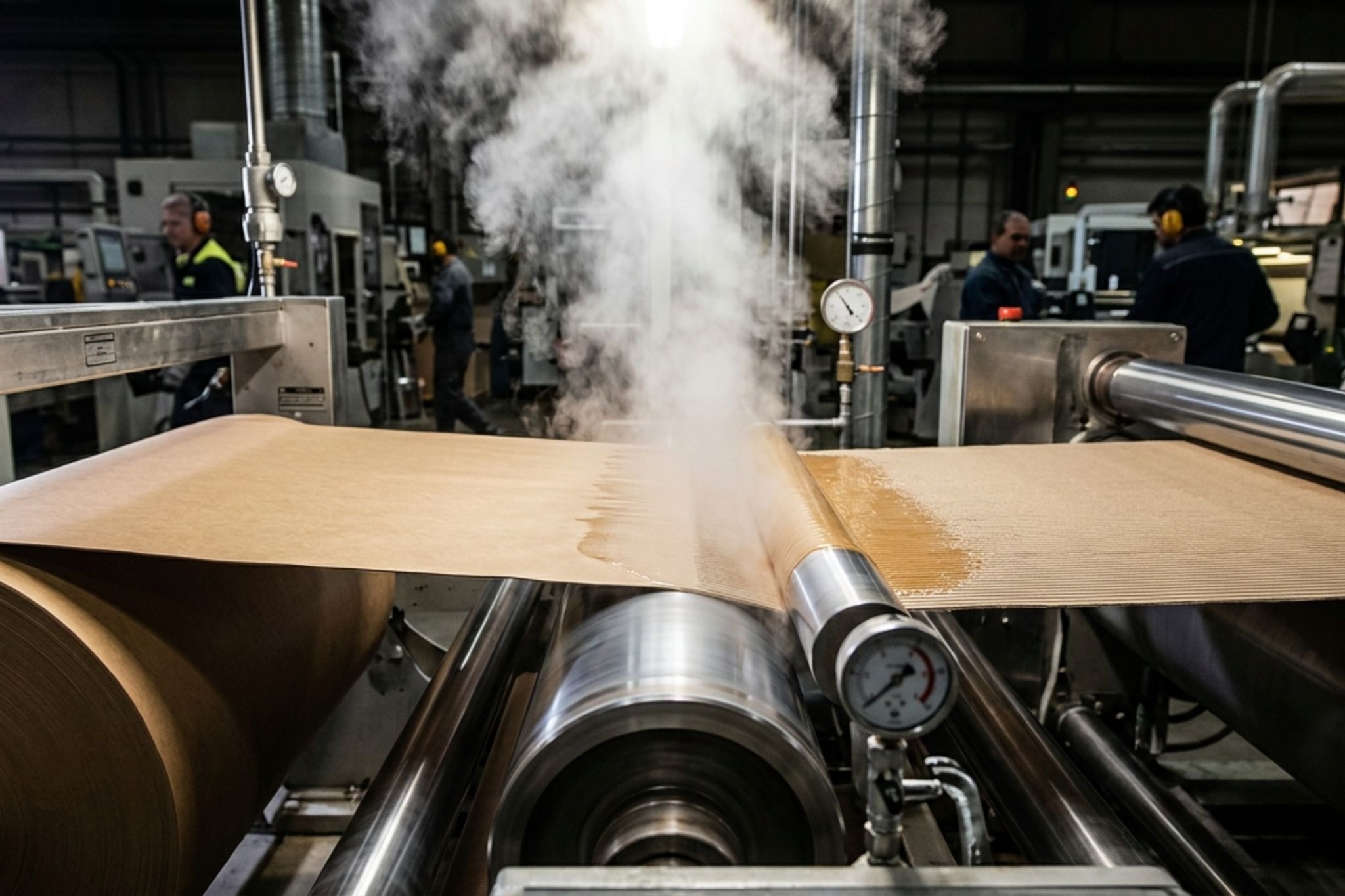
During lamination, excess moisture trapped within the adhesive layer directly affects drying speed. Slow evaporation can lead to:
- Delayed bonding strength
- Reduced machine throughput
- Curling or warping issues
- Higher energy consumption
- Inconsistent finish quality
Rapid moisture evaporation enables faster setting and curing, allowing production lines to run at higher speeds with improved consistency.
This is especially critical in high-speed industrial environments where even minor drying delays can impact overall output capacity.
The Role of Modified Dextrine Adhesives
Modified dextrine adhesives are engineered to provide balanced tack, viscosity stability, and faster water release characteristics. Compared to conventional adhesive systems, they support:
- Faster penetration into substrates
- Improved spreadability
- Controlled solids content
- Reduced residual moisture
- Better bonding uniformity
As a speciality adhesive modified starch manufacturer, Premier Starch develops starch-based adhesive solutions that are specifically formulated for industrial lamination applications requiring quick drying and efficient processing.
The company’s starch derivatives are designed to perform consistently even under demanding manufacturing conditions.
How Rapid Moisture Evaporation Improves Lamination Speed
1. Faster Initial Bond Formation
Adhesives with optimized evaporation properties allow substrates to achieve tack strength quickly. This minimizes waiting time between processing stages and supports continuous production flow.
Industries operating automated or semi-automated lines benefit significantly from faster bond development.
2. Reduced Heat Dependency
When adhesives evaporate moisture efficiently, manufacturers can reduce excessive heat exposure during drying. This helps:
- Lower energy costs
- Protect heat-sensitive substrates
- Improve operational sustainability
This approach also contributes to cleaner and more stable production conditions.
3. Improved Surface Finish
Controlled drying prevents adhesive migration and uneven coating patterns. The result is a cleaner laminated surface with improved visual and structural quality.
For applications involving coated materials and industrial sheets, maintaining surface consistency is essential for downstream performance.
4. Higher Machine Productivity
Reduced drying time directly translates into increased machine speed. Manufacturers can process larger production volumes without compromising adhesive performance or bond integrity.
This is particularly beneficial in industries using stable dextrin formulations where process consistency and moisture balance are critical.
Importance of Stable Dextrin in Industrial Adhesives
Adhesive stability plays a major role in high-speed manufacturing. Variations in viscosity or drying characteristics can create production inconsistencies and bonding failures.
Using high-quality stable dextrin formulations helps maintain:
- Uniform viscosity during production
- Better storage stability
- Consistent moisture release
- Reliable adhesion strength
Premier Starch manufactures industrial dextrins designed for dependable performance across varying process conditions, helping manufacturers maintain uninterrupted production efficiency.
Applications Across Industrial Sectors
Modified dextrine adhesives are widely used in industries where fast processing and strong bonding are essential.
Common application sectors include:
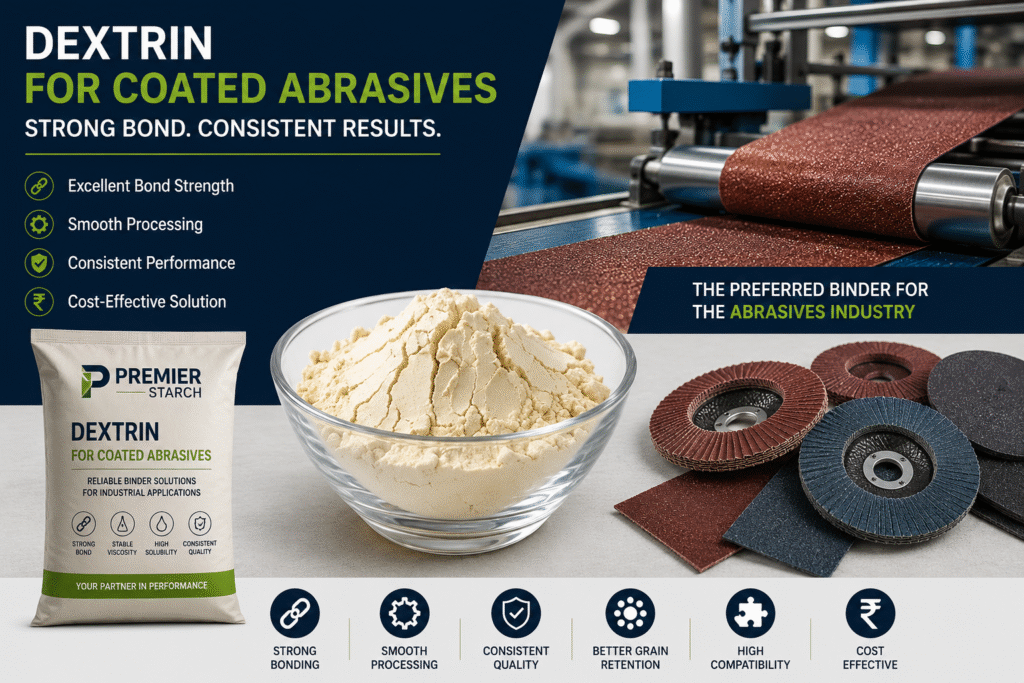
- Coated abrasives
- Paper tubes and cores
- Packaging laminates
- Industrial paper conversion
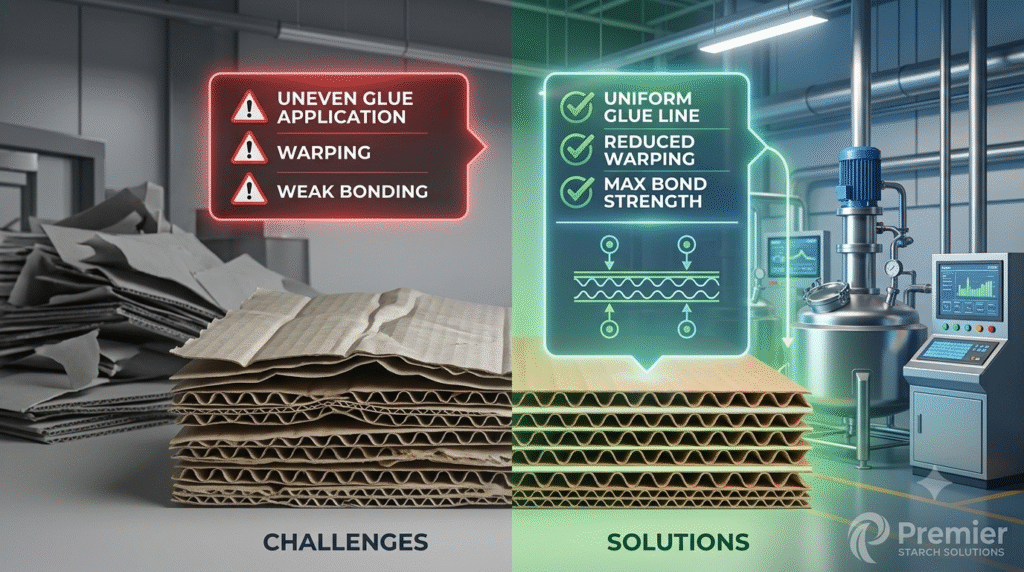
- Corrugation and board manufacturing
- Specialty adhesive formulations
For applications requiring strong adhesion and controlled drying behaviour, products such as Stardex® industrial dextrins and speciality starch formulations from Premier Starch can be integrated into industrial adhesive systems depending on process requirements.
Key Factors That Influence Drying Performance
Achieving optimal lamination speed depends on several adhesive parameters:
Solids Content
Higher solids formulations generally reduce excess water load, enabling quicker drying.
Viscosity Control
Balanced viscosity ensures even adhesive application without excessive moisture retention.
Substrate Absorption
Porous materials absorb moisture differently, making formulation compatibility essential.
Environmental Conditions
Temperature, humidity, and airflow directly affect evaporation efficiency during production.
This is why industrial manufacturers increasingly work with experienced formulation partners capable of developing customised adhesive solutions for specific machinery and operating environments.
Why Manufacturers Are Moving Towards Starch-Based Adhesives
Industrial manufacturers are increasingly shifting toward starch-derived adhesive systems due to their operational and environmental advantages.
Benefits include:
- Biodegradable composition
- Reduced synthetic chemical dependency
- Better process adaptability
- Cost-effective performance
- Reliable large-scale availability
As industries focus on sustainable manufacturing practices, starch-based adhesive technologies continue to gain importance in industrial bonding applications.
Premier Starch’s Approach to Industrial Adhesive Performance
With over three decades of experience in industrial starch manufacturing, Premier Starch focuses on delivering performance-oriented adhesive solutions tailored for demanding industrial applications.
Its in-house R&D and quality testing processes help ensure:
- Consistent viscosity control
- Reliable moisture behaviour
- Batch-to-batch uniformity
- Process-specific customization
- Technical support for industrial trials
From dextrins to speciality modified starches, Premier Starch supports manufacturers seeking faster production efficiency, stronger bonding, and reliable adhesive performance across multiple sectors.
Conclusion
In high-speed lamination operations, adhesive efficiency directly impacts production output. Modified dextrine adhesives that support rapid moisture evaporation help manufacturers achieve faster drying, better bonding consistency, and improved operational productivity.
By selecting high-performance starch-based adhesive systems and reliable dextrin formulations, industries can optimize lamination speed while maintaining product quality and process stability.
For manufacturers seeking dependable industrial adhesive solutions, working with an experienced starch formulation partner can make a substantial difference in long-term production performance.