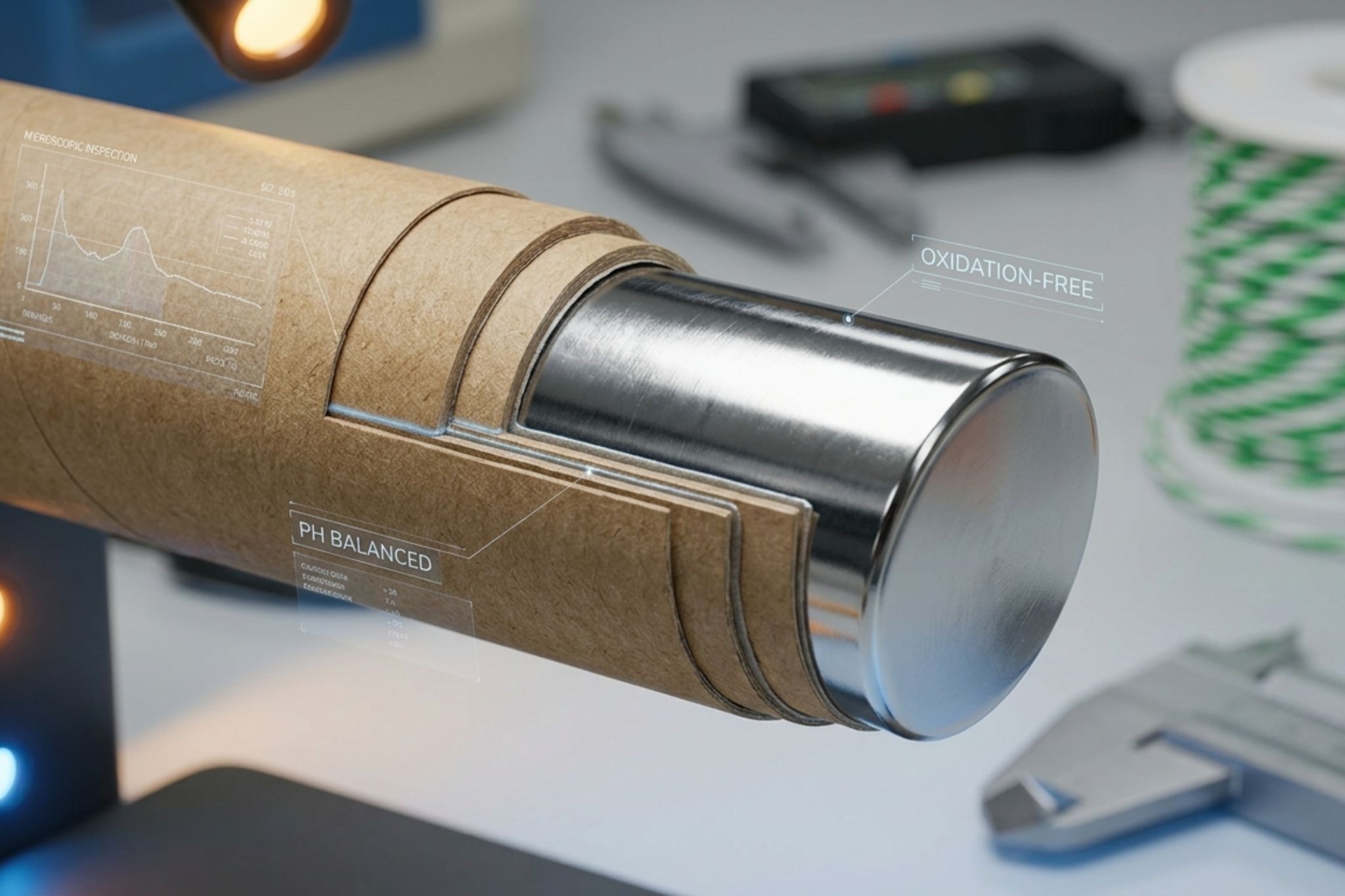
In high-performance industrial applications such as thermocouples and precision paper tube cores, even minor chemical instability can lead to major operational issues. One of the most overlooked yet critical factors is oxidation especially in metal tipped paper tubes, where adhesive chemistry directly interacts with sensitive metallic components.
This is where pH balanced dextrine plays a crucial role. By maintaining chemical stability and preventing unwanted reactions, it ensures both product longevity and consistent performance in demanding environments.
Understanding the Oxidation Problem in Metal-Tipped Paper Tubes
Metal-tipped paper tubes are widely used in applications that demand structural integrity and thermal resistance. However, oxidation can occur when:
- Adhesives have imbalanced pH levels
- Moisture content fluctuates during processing or storage
- Reactive compounds in adhesives interact with metal surfaces
This leads to:
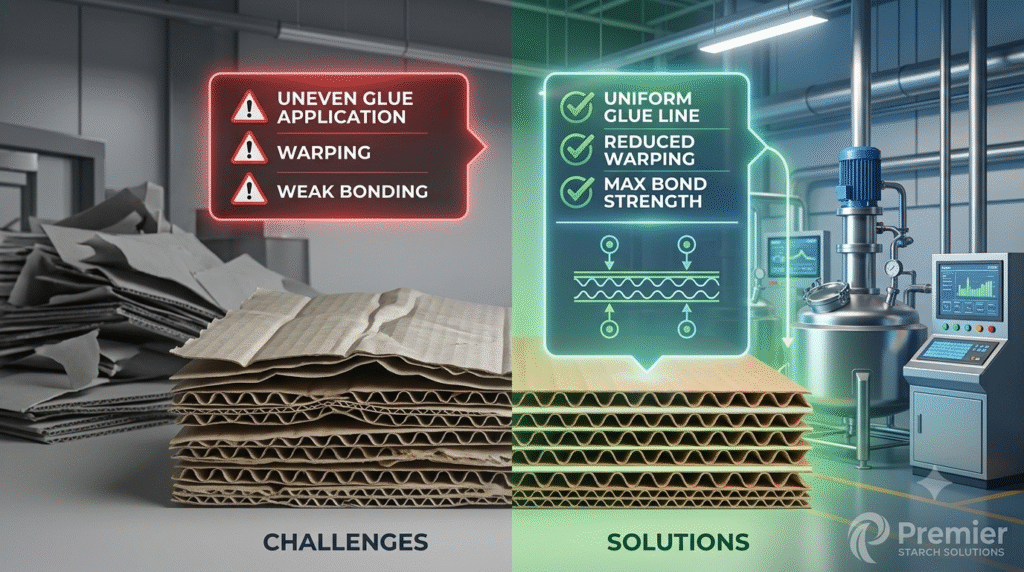
- Corrosion of metal tips
- Weak bonding strength
- Reduced lifespan of the final product
To avoid these issues, manufacturers are increasingly turning to dextrin for paper tube core applications that is chemically stable and pH controlled.
What Makes pH Balanced Dextrine Effective?
Dextrine, derived from natural starch sources like tapioca or maize, is widely used as a binder in industrial adhesives. However, not all dextrins perform equally. The key differentiator is pH balance.
A well-engineered, stable tapioca dextrin ensures:
- Neutral to slightly alkaline pH levels
- Minimal chemical reactivity with metals
- Controlled moisture absorption
- Consistent viscosity during application
This stability prevents the acidic or highly alkaline conditions that typically accelerate oxidation.
Role of Stable Tapioca Dextrin in Preventing Oxidation
Using stable tapioca dextrin in adhesive formulations offers multiple advantages in metal tipped applications:
1. Chemical Neutrality
Balanced pH reduces the risk of electrochemical reactions between adhesive and metal surfaces.
2. Moisture Control
Low and controlled hygroscopic behaviour prevents moisture buildup, which is a major contributor to oxidation.
3. Consistent Bond Strength
Maintains adhesive integrity without degrading or reacting over time.
4. Compatibility with Industrial Processes
Performs reliably in both manual and automated production lines without fluctuations.
Application in Thermocouple and Precision Tube Manufacturing
In thermocouple manufacturing, paper tubes act as protective casings for sensitive components. Any oxidation in the metal tip can compromise readings and durability.
High-performance dextrin solutions such as Stardex® 2155-H (for paper tube core in Thermocouple) and Stardex® 2155-Tube (For Paper tube core) are specifically designed to address these challenges. These formulations offer:
- Controlled pH levels tailored for metal compatibility
- Strong bonding for layered paper structures
- Resistance to environmental fluctuations
By integrating such solutions, manufacturers can significantly reduce rejection rates and improve product reliability.
Why Standard Adhesives Fall Short
Conventional adhesives or low-grade dextrins often lack:
- pH consistency across batches
- Proper quality control testing
- Stability under varying industrial conditions
This results in:
- Increased oxidation risk
- Frequent process adjustments
- Higher maintenance costs
In contrast, R&D-backed dextrin formulations ensure predictable performance.
Quality Control: The Backbone of Performance
Preventing oxidation isn’t just about formulation it’s about consistency. Reliable manufacturers ensure:
- Batch-wise pH testing
- Moisture and solubility analysis
- Viscosity checks using standard instruments
Such rigorous quality control guarantees that every batch of dextrin for paper tube core performs exactly as expected in real-world conditions.
Moving Towards Safer and Sustainable Alternatives
Another advantage of dextrin-based adhesives is their eco-friendly nature. Being plant-derived, they are:
- Biodegradable
- Non-toxic
- Safer for industrial handling
This makes them a preferred alternative to synthetic adhesives that may introduce additional chemical risks.
Conclusion
In precision driven industries, small chemical imbalances can lead to significant failures. The use of pH balanced, stable tapioca dextrin offers a reliable solution to prevent oxidation in metal-tipped industrial paper tubes. From enhancing bond strength to protecting sensitive metal components, it plays a vital role in ensuring durability and performance.
For manufacturers looking to optimise their processes, investing in the right dextrin formulation is not just a choice it’s a necessity.
Premier Starch Products Pvt. Ltd. has built a reputation for delivering performance-driven starch solutions tailored to industrial needs. Their specialised dextrin grades are engineered through in-house R&D and strict quality control, ensuring stability, consistency, and application-specific precision. Whether it’s thermocouple tubes or high-strength paper cores, Premier Starch brings the technical depth and manufacturing reliability needed to support demanding production environments.